Spunbond Nonwoven Production Lines
Spunbond Lines
PROCESS & TECHNOLOGY
From PP Pellets
to Finished Fabric
S, SS and SSS lines for stable spunbond fabric production.
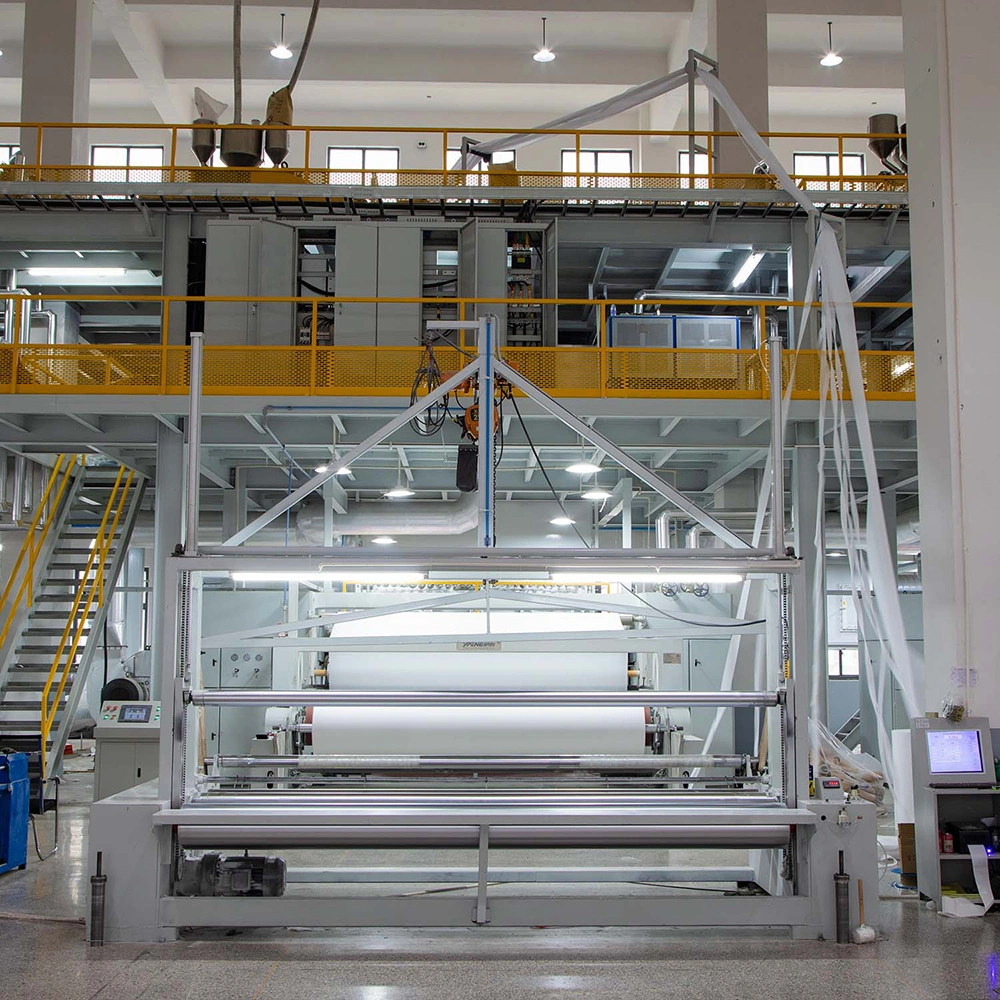
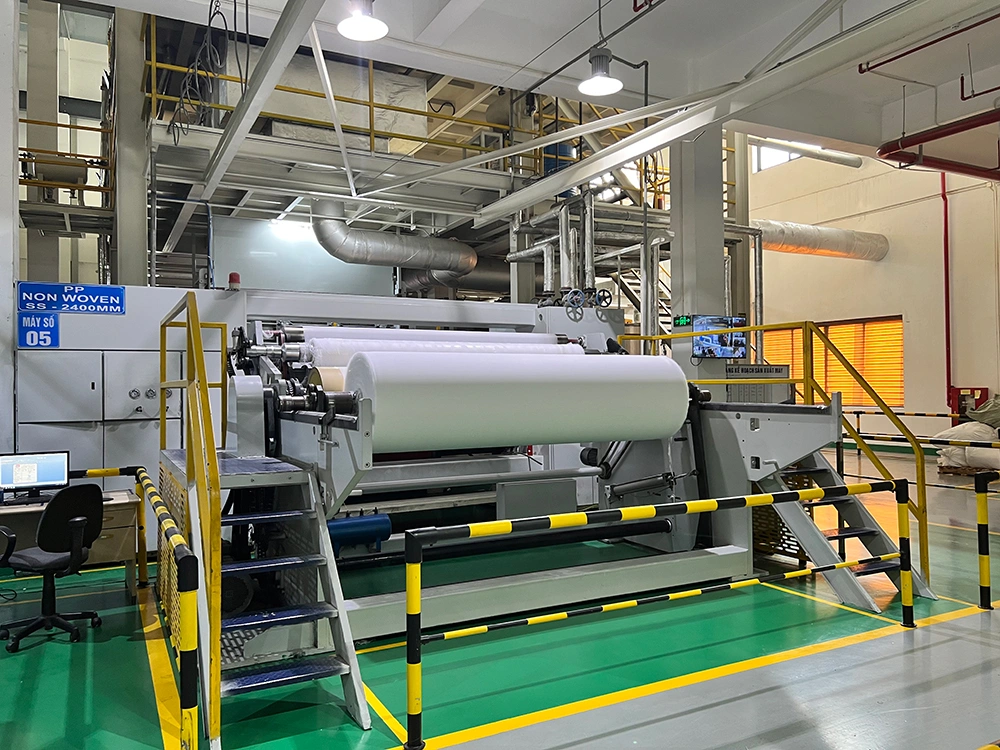
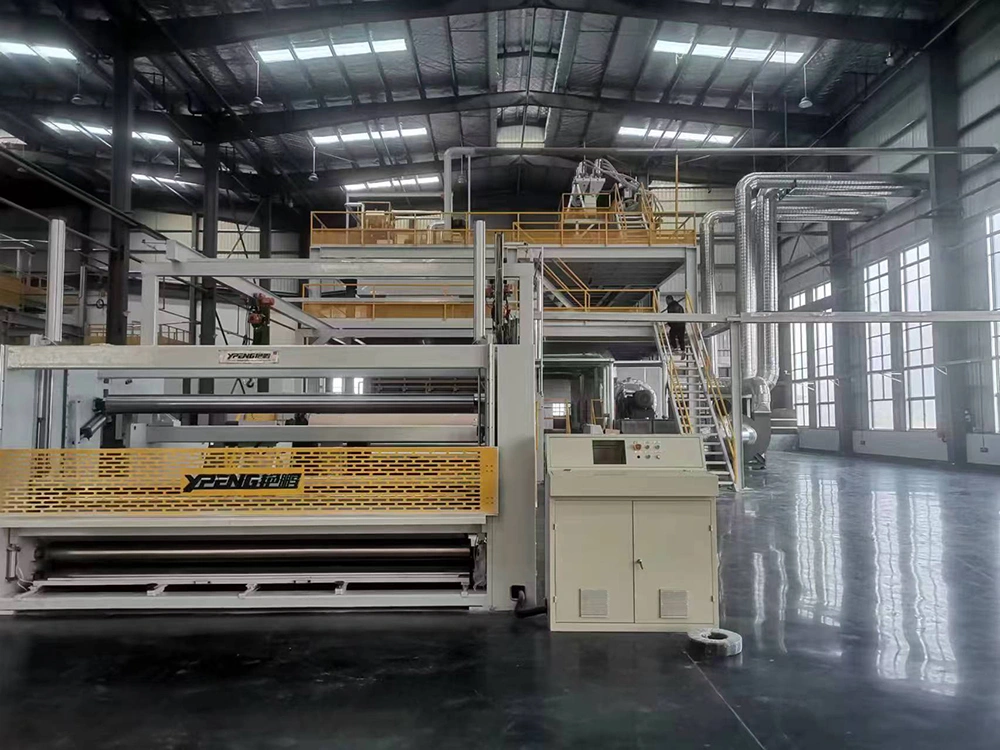
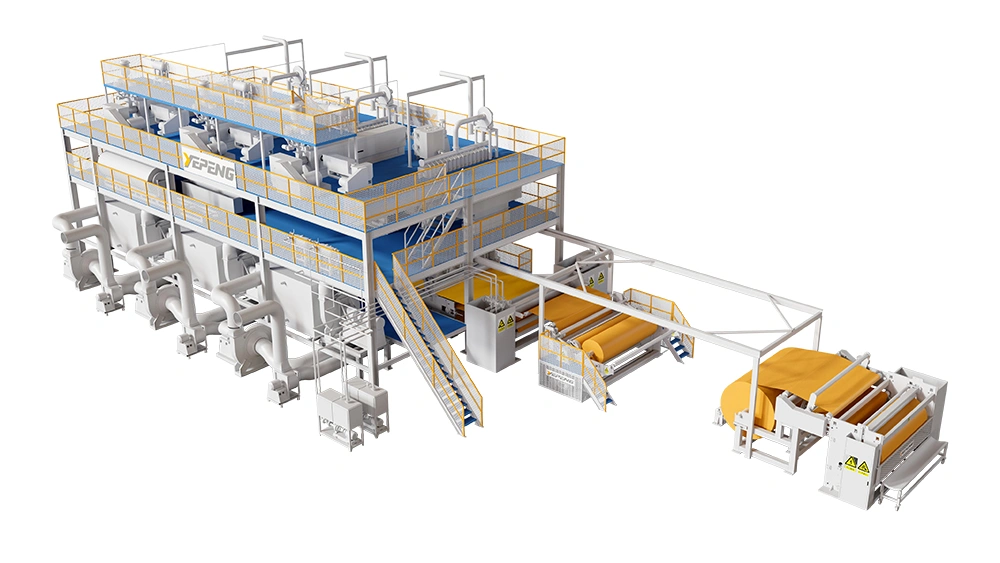
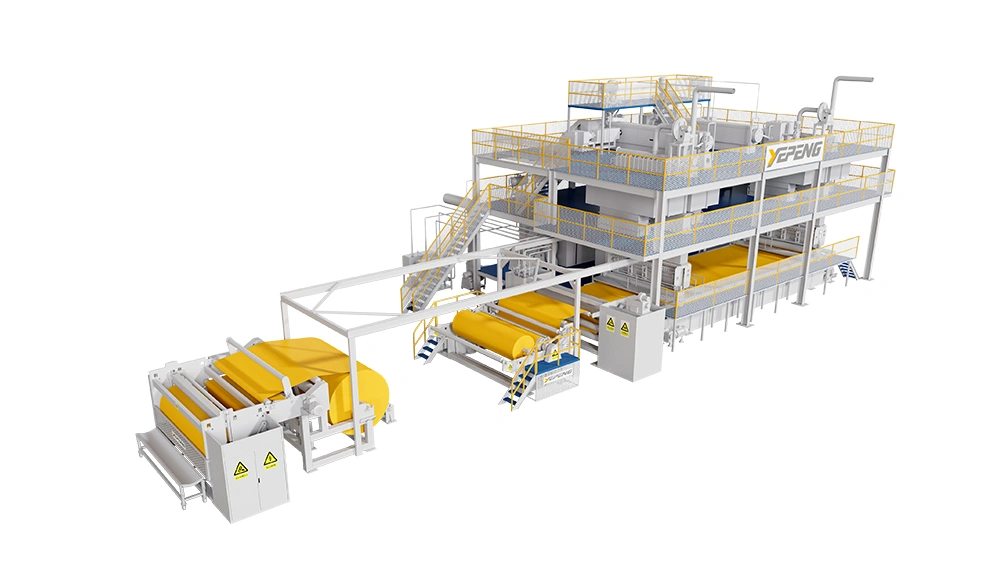
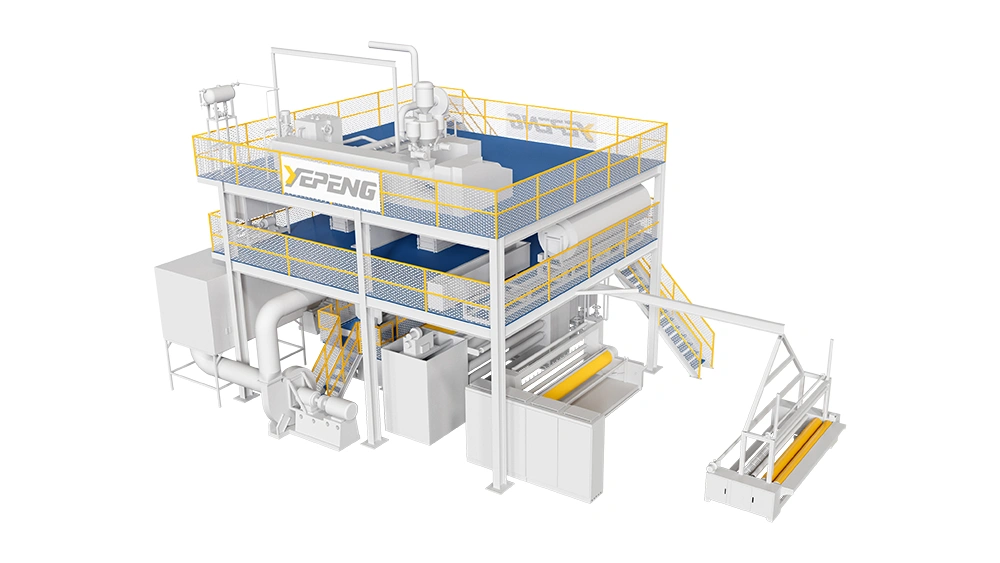
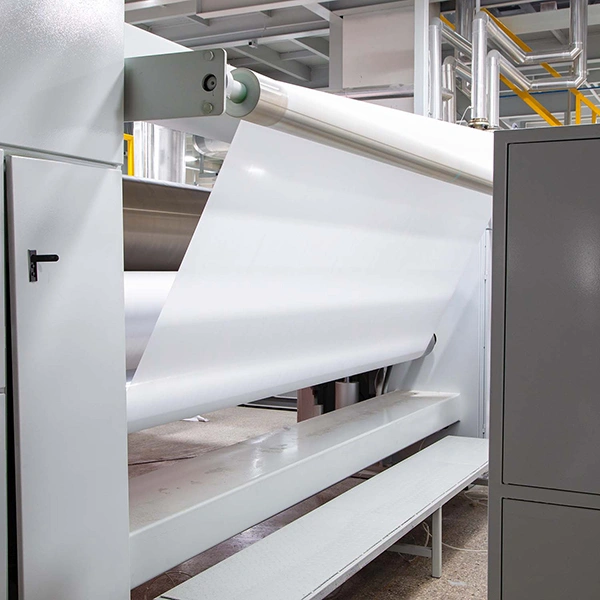
Spunbond nonwoven fabric is made from continuous polypropylene (PP) filaments that are laid into a fiber web and bonded with heat and pressure. PP pellets are melted in the screw extruder and pushed through a spinneret to form continuous filaments. The stretching channel draws the filaments to increase their strength and reduce their diameter, then the filament diffuser spreads them evenly onto the web forming unit to create a fiber web. Then, thermal bonding calenders bond the filaments together to form spunbond nonwoven fabric.
The finished nonwoven rolls can then go through downstream converting processes to make various types of products. After the thermal bonding process, the spunbond fabric passes through the winding unit and is slit into the required widths. During the slitting process, the edge trim recycling unit processes the scrap cut from the edges of the nonwoven fabric. Its screw grinds and melts the edge trim, then feeds the recycled material back into the main extrusion unit in a controlled proportion as production continues. The recycling unit helps recover materials for reuse in production, reducing material waste and improving raw-material utilization.
- AVAILABLE STRUCTURES
- S / SS / SSS
Select a configuration to suit your output
and fabric application requirements. - FABRIC WIDTH
- 1600 / 2400 / 3200 mm
Three fabric widths available across
the YP-S, YP-SS and YP-SSS models. - FABRIC BASIS WEIGHT
- 9–150 g/m²
YP-S: 9–150 · YP-SS: 9–120
YP-SSS: 10–80 g/m²
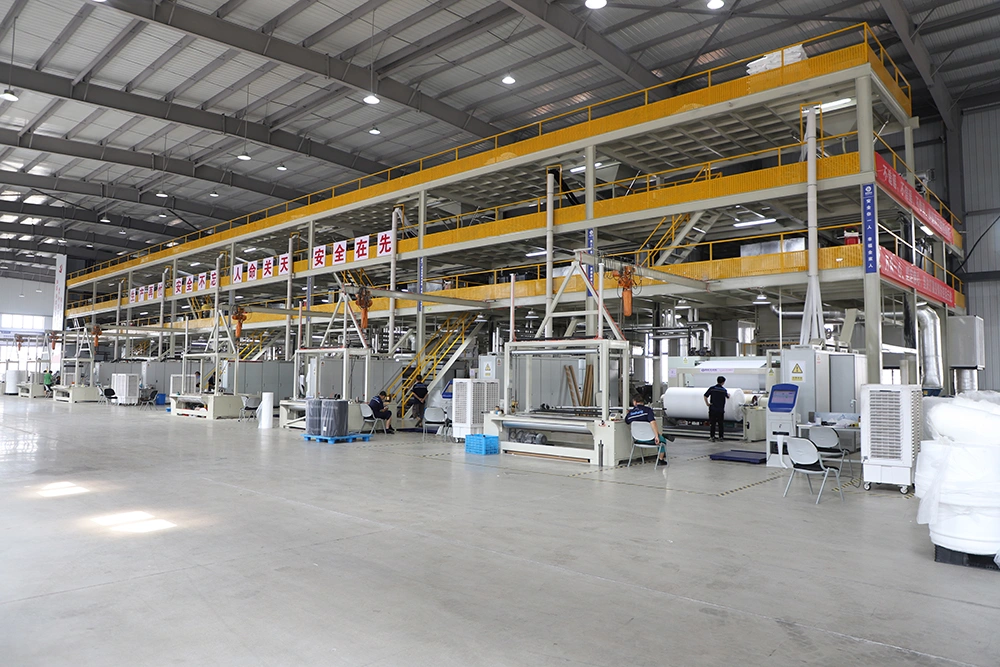
Yanpeng’s spunbond nonwoven production lines serve packaging, household, medical and hygiene, agricultural and construction, and industrial markets, with line configurations selected to suit the material and end-use requirements.
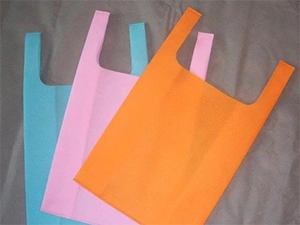
Packaging
Shopping bags, insulated bags, vest-style bags, and protective packaging
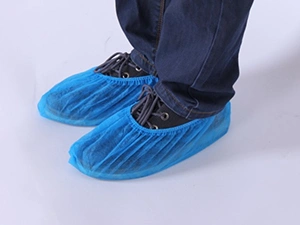
Household Products
Disposable tablecloths, household protective products, furniture covers, and shoe covers
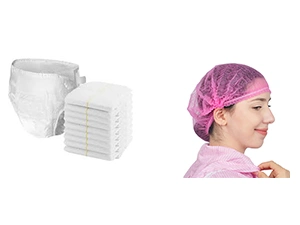
Medical and Hygiene
Surgical gowns, disposable face masks, isolation gowns, disposable surgical caps, medical face masks, and diapers
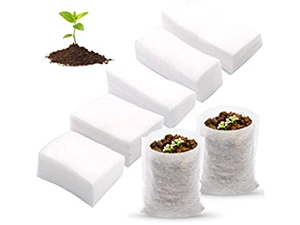
Agriculture and Construction
Crop covers, weed-control fabric, and roofing underlayment
| Model | Unit | |||
|---|---|---|---|---|
| Fabric basis weight | gsm | 9–150 | 9–120 | 10–80 |
| Fabric width | mm | 1600 / 2400 / 3200 | 1600 / 2400 / 3200 | 1600 / 2400 / 3200 |
| Line speed | m/min | 150 | 400 | 600 |
| Annual production capacity Based on 40 gsm fabric | tons/year | 1332–3330 | 2997–6327 | 3996–9324 |
Note: The widths listed above are standard options. Other widths are available upon request.
- Continuous filament structure
- Continuous filaments form a stable fabric with good dimensional stability and high tensile and tear strength, so spunbond nonwoven fabric can withstand demanding use.
- Flexible bonding options
- Spunbond fabric can be bonded using different methods to meet the requirements of its intended application.
- Adjustable filament fineness
- Filament fineness can be adjusted to produce fabrics with different characteristics and performance properties.
- Feeding
- Melt Extrusion
- Melt Filtration
- Melt Metering
- Spinning
- Quenching
- Filament Drawing
- Filament Diffusion
- Web Formation
- Thermal Calender Bonding
- Winding
- Slitting
- Packaging
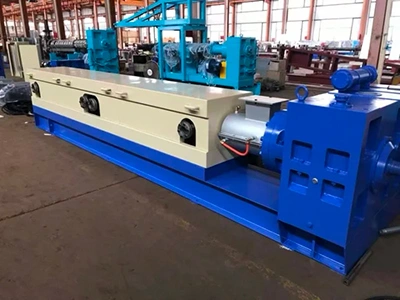
Extruder 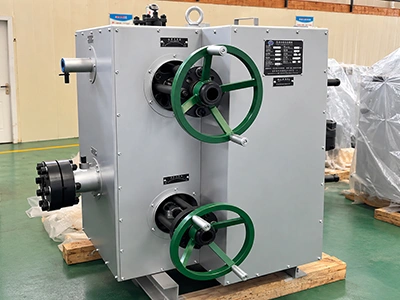
Melt Filter 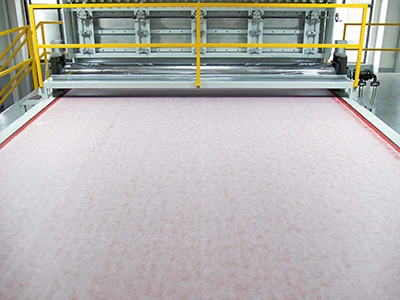
Web Forming Unit 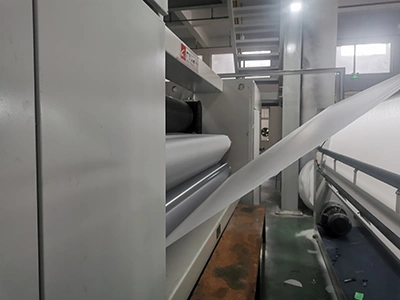
Thermal Bonding Calender 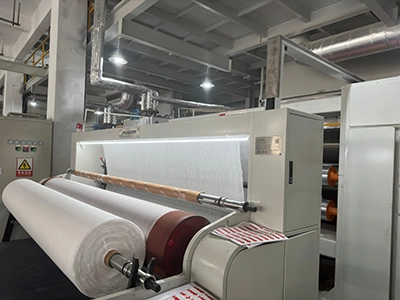
Nonwovens Master Roll Winder