
PET / RPET / PLA Nonwoven Production Lines
PET/RPET/PLA Nonwoven Fabric Production Lines
PROCESS & TECHNOLOGY
PET/RPET/PLA
Spunbond Lines
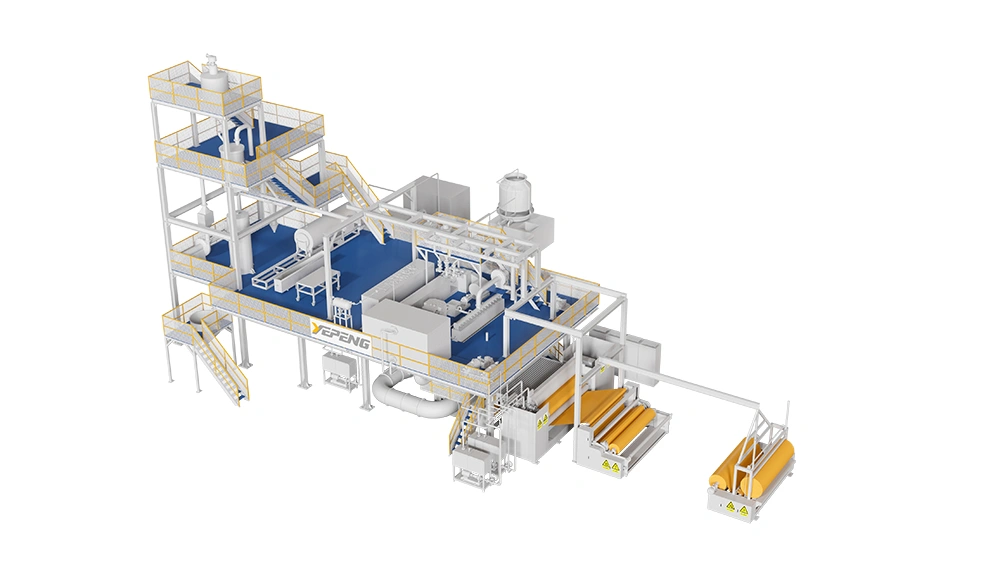
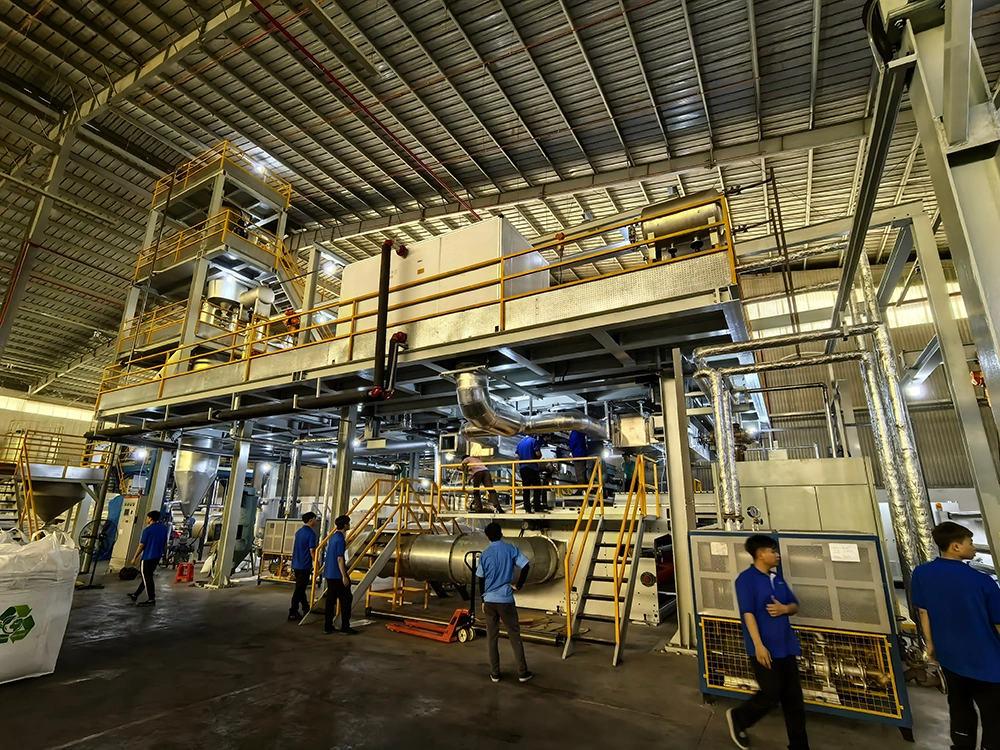
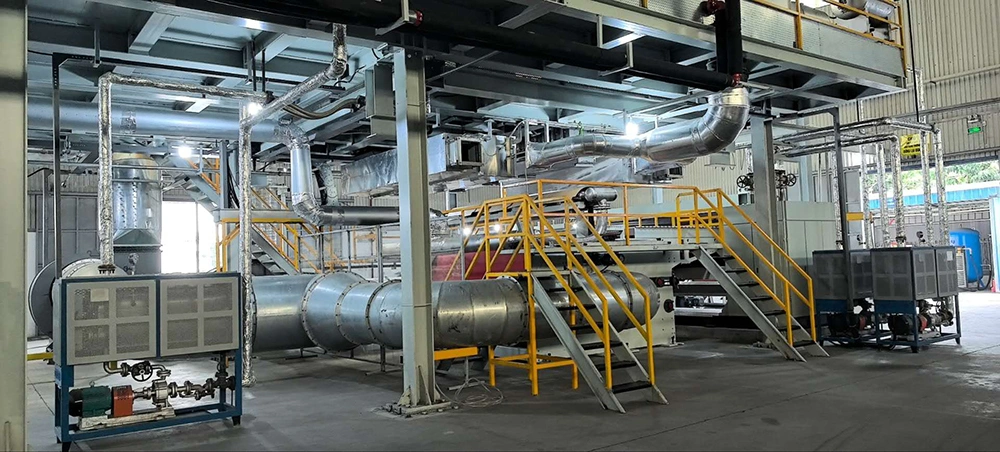
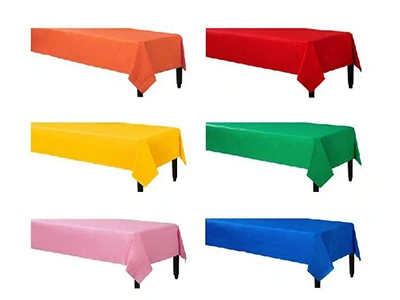
Our PET/RPET/PLA spunbond production lines process polyester (PET), recycled polyester (RPET), or polylactic acid (PLA) into continuous-filament nonwoven fabric. The raw material needs to be selected according to how the nonwoven fabric will be used and the properties it needs.
Home Textiles and Furniture
Mattress wrapping fabric, sofa bottom cloth, furniture dust covers, and pocket spring wrapping fabric
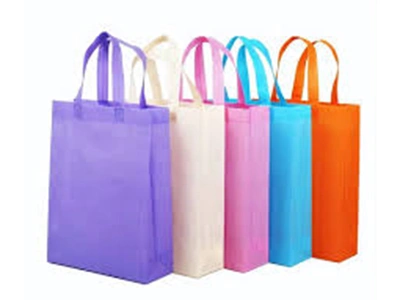
Bags and Packaging
Shopping bags, insulated bags, T-shirt bags, and packaging materials
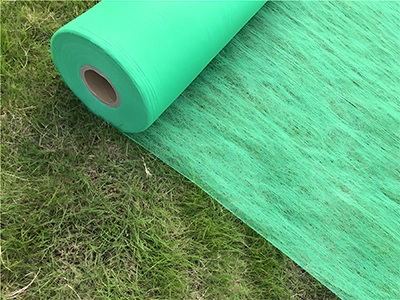
Agriculture
Crop covers, seedling covers, and weed-control fabric
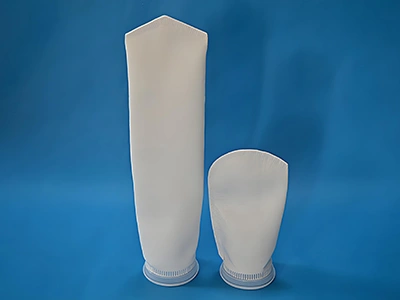
Industrial Applications
Filter substrates, cable wrapping materials, and automotive interior materials
| Model | Unit | |||
|---|---|---|---|---|
| Fabric basis weight | gsm | 20–260 | 20–260 | 20–260 |
| Line speed | m/min | 120 | 120 | 120 |
| Annual production capacity | t/year | 1665 | 2500 | 3330 |
| Overall line dimensions | m × m × m | 36 × 14 × 15 | 36 × 15 × 15 | 36 × 16 × 15 |
Note: The widths listed above are standard options. Other widths are available upon request.

- RPET spunbond lines give recycled PET a new use by turning it into nonwoven fabric, reducing waste and the need for virgin polyester.
- The finished PET/RPET/PLA nonwoven fabric has high tensile strength and good tear resistance, so it can handle demanding applications without easily stretching or tearing.
- The finished nonwoven fabric maintains its properties even when exposed to heat, supporting applications that require temperature stability.
- The spunbond fabric offers good resistance to damage from exposure to chemicals and maintains its properties during industrial use. Chemical resistance varies with the polymer, the chemicals involved, exposure conditions, and the fabric structure.
First, the PET pellets need to be properly dried before being fed into the extruder, where they are melted. The molten PET then undergoes filtration and metering before moving to the spinning beam, where spinnerets form continuous filaments. The filaments are cooled in the quenching chamber and drawn through the stretching channel, then laid onto the web forming unit. Heated rolls in the thermal bonding calender bond the web into PET spunbond fabric with high strength, heat resistance, and dimensional stability. The finished nonwoven fabric is then wound into rolls, slit to the required widths, and packaged.
- PET Pellets
- Drying and Dehumidification
- Melt Extrusion
- Melt Filtration
- Melt Metering
- Spinning
- Cooling
- Drawing
- Web Formation
- Thermal Bonding
- Winding
- Slitting
- Packaging
RPET spunbond production starts with recycled PET bottle flakes or recycled polyester pellets. Bottle flakes are washed and sorted, then either processed into pellets or fed directly into the production line after drying. The recycled PET is melted, filtered, and metered before spinning into continuous filaments. Cooling, drawing, web formation, and thermal bonding turn the filaments into strong recycled polyester nonwoven fabric, which is then wound, slit, and packaged.
- Recycled PET Bottle Flakes
- Washing and Sorting
- Grinding and Pelletizing (or direct use of bottle flakes)
- Drying and Dehumidification
- Melt Extrusion and Filtration
- Melt Metering
- Spinning
- Cooling
- Drawing
- Web Formation
- Thermal Bonding
- Winding
- Slitting
- Packaging
PLA, known as polylactic acid as well, is made from renewable materials such as corn and sugarcane through fermentation and subsequent processing into a polymer. The dried PLA pellets are fed into the extruder for melting, followed by filtration and metering. The spinning beam then forms continuous filaments, which are cooled, drawn, and laid into a web before heated calender rolls bond them into PLA spunbond nonwoven fabric. The finished nonwoven fabric is wound, slit, and packaged.
- PLA Pellets
- Drying
- Melt Extrusion
- Melt Filtration
- Melt Metering
- Spinning
- Cooling
- Drawing
- Web Formation
- Thermal Bonding
- Winding
- Slitting
- Packaging